Apr
15
2012
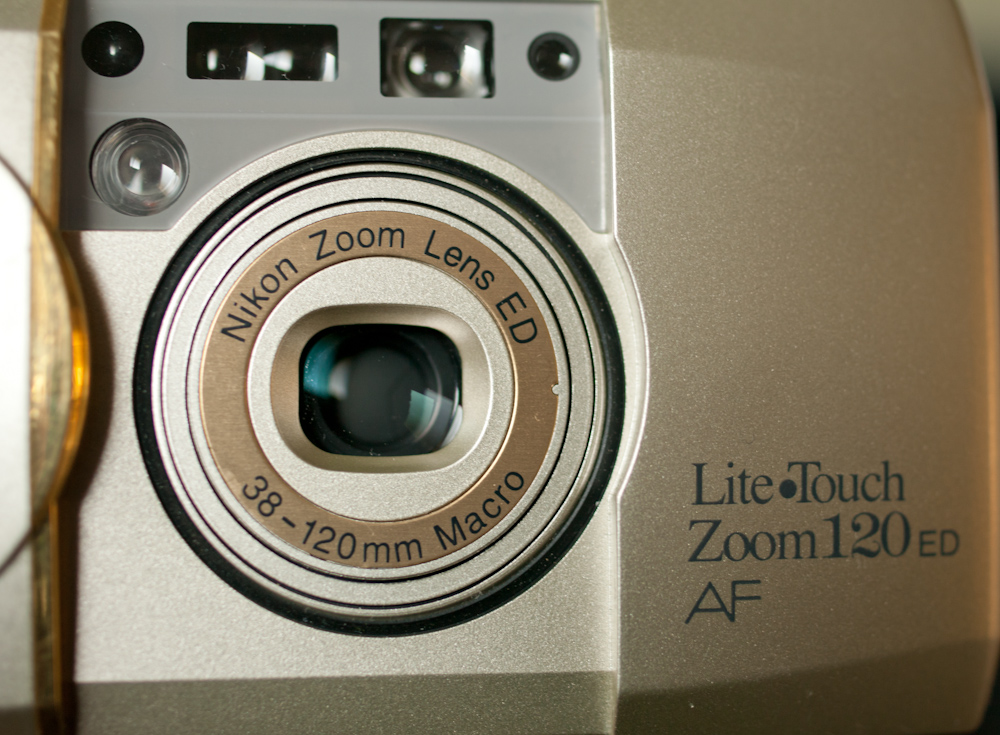
Great naming Nikon very descriptive you should have thrown in AS for the apherical elements though that would have really capped it off and then you could have saved on paper by not even writing the specifications. Except I have no idea what Lite Touch means in this context, and I’m frankly afraid to Google it. You can also tell this is a good camera by the gold coloured trim (sarcasm).
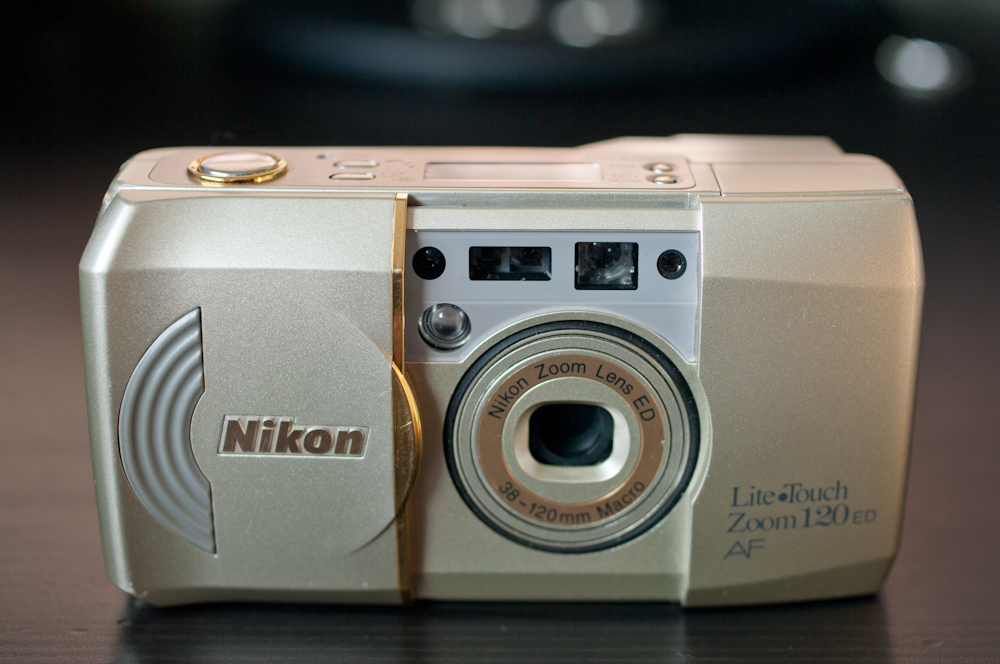
So the lens as described has ED, (no not difficulty extending) extra low dispersion glass elements and also aspherical molded glass elements, but what this really means beyond the marketing is that the lens will tend to have better correction for distortions. And I think the results bear this out, I was quite pleased with the quality of the images from this camera and its several useful controls, I particularly like the infinity focus setting. Of course the lens may provide decent image quality but some of that may also be the conservative nature of it’s range. 38-120mm is neither that wide nor that long and the maximum aperatures of 5.3 to 10.5 aren’t just not fast but are slow (yes I know I could have written that clearer but Nikon could have made the lens faster and then I wouldn’t have had too).
Three later models took the zoom out to 130,140 and 150 mm before Nikon stopped developing new point and shoot 35mm film cameras around 2002.
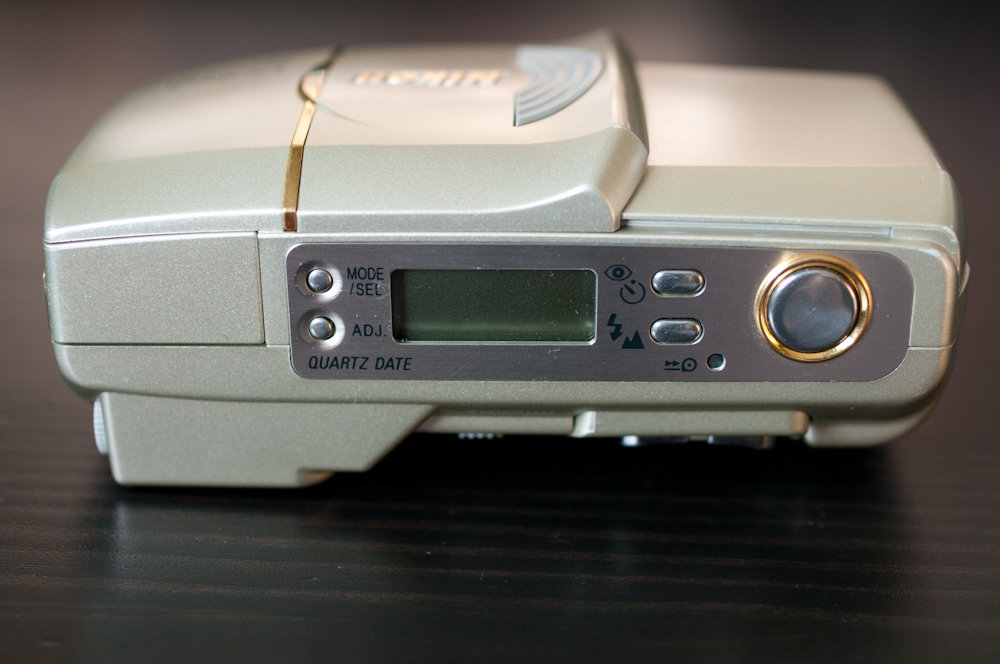
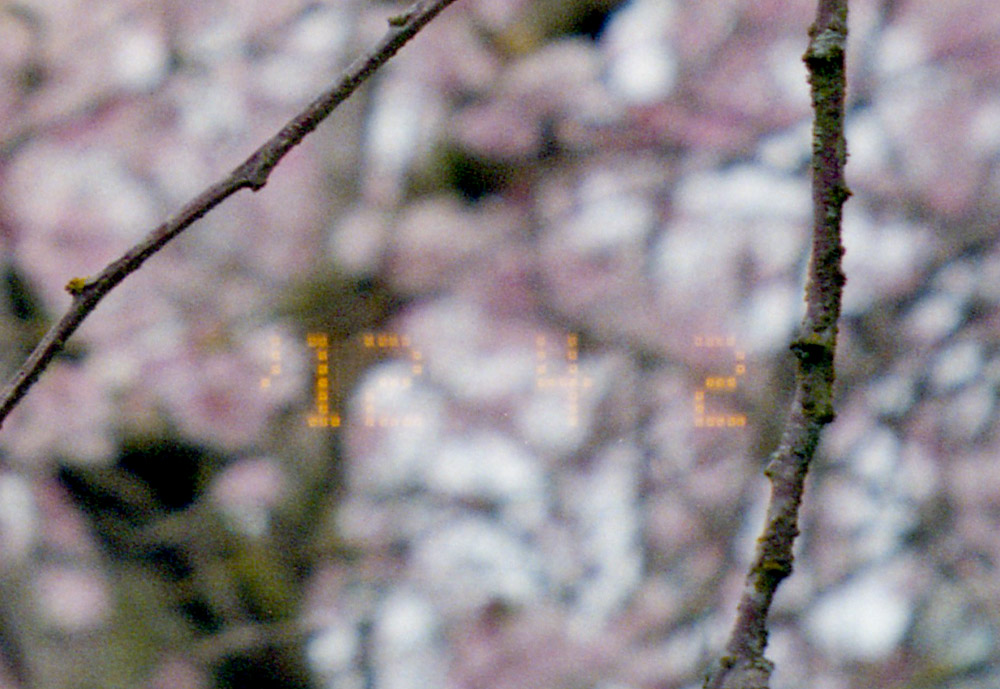
One final point, don’t you miss the ability to irrevocably imprint the date on your images, I know I do. This is the true embedded data forget EXIF.
no comments | tags: camera, film, Nikon | posted in Cameras, Photography
Apr
13
2012
I like the idea of being able to post to my blog from where ever I am. I already upload images to Mytubo, Instagram and the “Facebook” so why not my blog. It works to a degree, from Instagram rather than posting the image it posts a link back to Instagram, not all that surprising really. From my Android phone itself I can blog with the WordPress app including editing existing posts as I did here adding the image to the post from Instagram. http://instagr.am/p/JYBngIPUnN/
Layout is a problem though as the images no matter how I handle them seem to overlap the menus on the right, still more work there.
no comments
Apr
11
2012
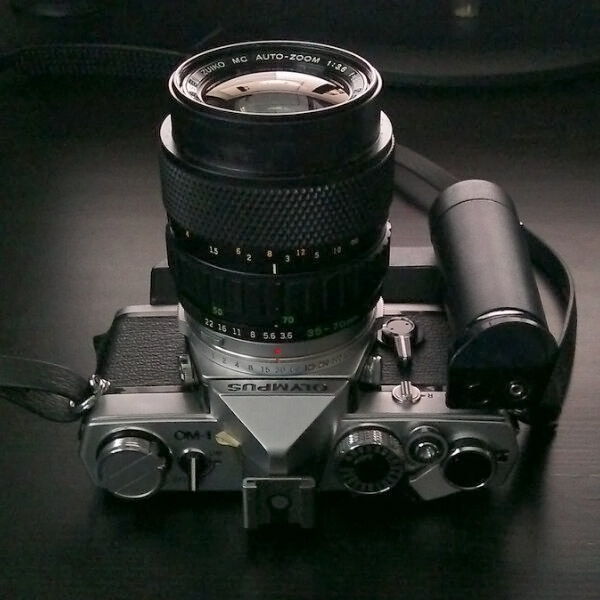
There is plenty of good information about the Olympus OM-1 and the other cameras in this series on the Internet so I don’t feel that I need to cover that ground. I will however take a moment to discus the metering and how it is measured and presented to the user.
The OM-1 has TTL metering (Through the lens) that is provided by two Cds cells placed internally around the eyepiece. A certain portion of the light passing through the viewfinder prism falls on these cells causing their internal resistance to drop. This effects the circuit causing the meter needle to move. Other parts of this circuit are the ASA dial, on off switch and of course the shutter speed and aperture linkage. All these variables contribute to the position of the meter needle. This meter requires batteries to operate but the camera it self is entirely mechanical allowing you to shoot without the meter.
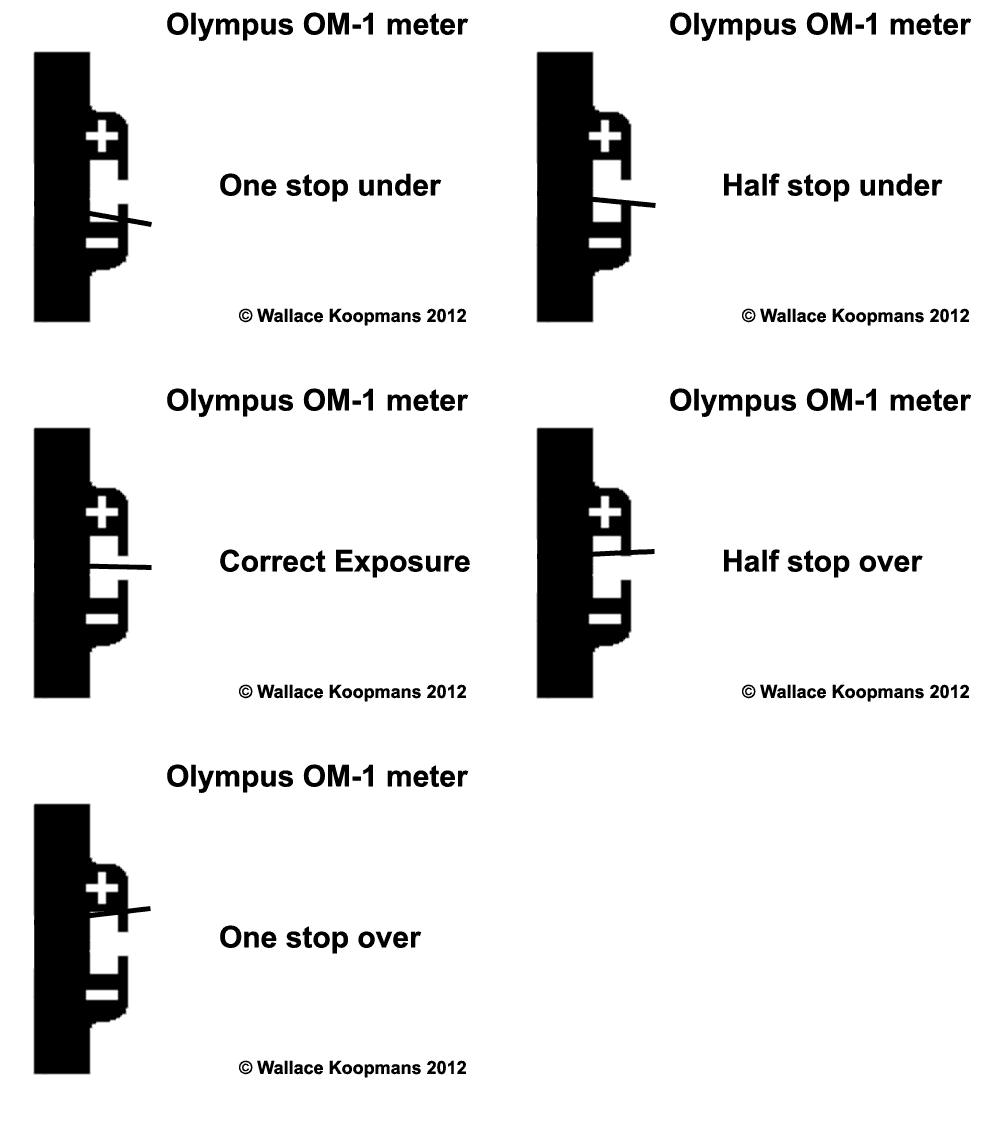
The meter itself is located on the left hand side of the viewfinder and gives an indication of proper exposure for an average scene. As you make changes to the aperture and shutter the needle moves correspondingly. As the lens remains at it’s maximum aperature prior to actually taking a picture these changes are transferred from the lens to the camera via a mechanical linkage. In addition to centering the needle you can determine +-1 EV of adjustment in half stops by comparing the needle to the markings in the viewfinder. I’ve created this animation to show these.
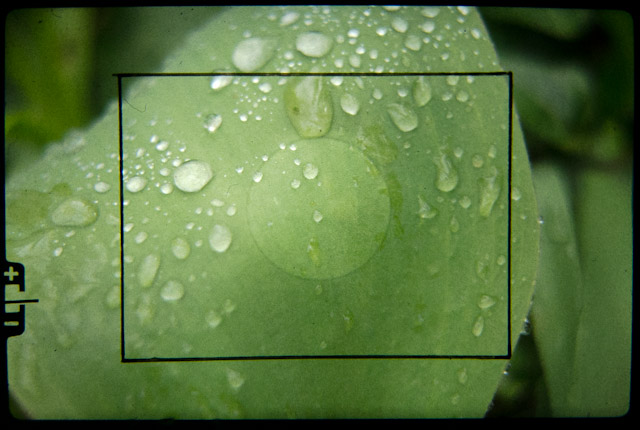
My camera has an interesting focus screen that does not have the standard central focus micro-prisms or split image but is essentially a matte screen with a finer circular matte at the center and frame lines that are well within the image. I believe this was the all matte type that someone has customized with frame lines for either astrophotography or as Ted Samzadeh of Omnilargess has suggested for medical imaging. In any case the fine matte screen provides an exceptionally clear and unobstructed view.
Here are some of my ubiquitous sample images from my OM-1 taken with the Zuiko 35-70 F3.6 or the 28mm F 3.5 Zuiko as these are the only two lenses I currently own. Duncan Turner of DLT Photographic has now lent me a Vivitar 55mm macro in OM mount so that should be an interesting lens to try out with this camera.
3 comments | tags: camera, film, Meter, olympus, OM1, viewfinder | posted in Cameras, Photography
Apr
8
2012
When you take a photograph, unless you arrive blind folded and close your eyes, you can’t help but be influenced by what you’ve seen before. That is the nature of photography, we try to recreate what we like whether it’s preserving an instant for the future or duplicating the now. I can say this because I do it too.
Case in point this image, I took this picture while out on a bike ride with my daughter. The moment I saw this long building I knew the way it ran horizontally would mimic the look of the Rhine river in Andreas Gursky’s “Rhine II“ Do I wish that I could say I just saw this building and took an interesting picture, yes, but to deny that in a sense this is an attempt to capture my own piece of someone else’s vision would be wrong.
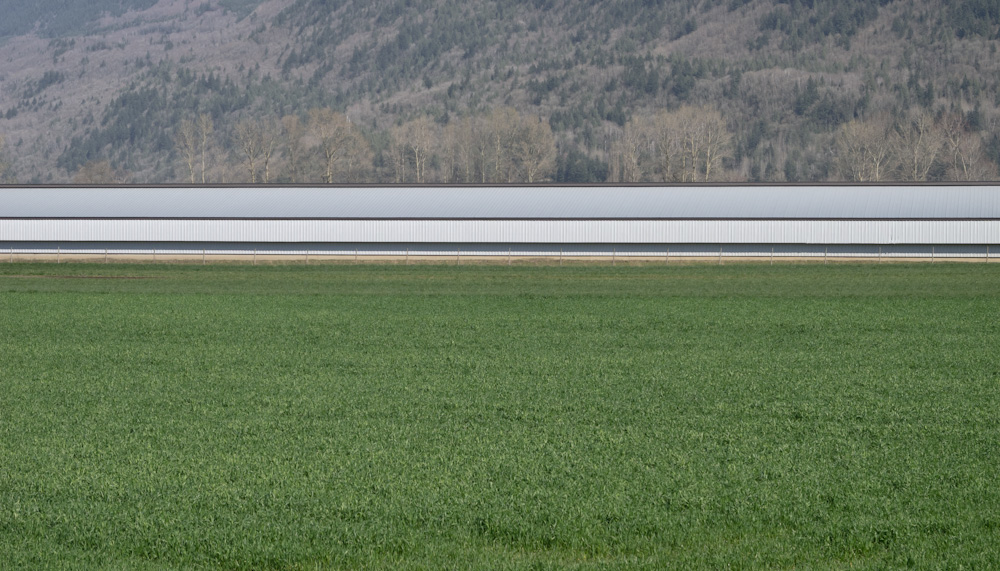
So in a world so full of imagery how do you create a personal style and is that absolutely necessary. Is there anything wrong with being a “collector” of images or refining a type of image? I don’t think so if it serves the purpose of the photographer. Knowing that you’ve created something good and then wanting to share it is rewarding. An image like “Rhine II” isn’t valued at millions of dollars because it is such a good photograph but because of everything else surrounding the world of contemporary art.
So take another picture of blossoms or a bird or whatever interests you and enjoy the doing, and the knowledge that it’s yours.
no comments | tags: Digital, Photography | posted in Composition, Photography
Apr
5
2012
 Every once and a while with film cameras I seem to inadvertently cause the back to open no matter what ingenious locking mechanism they had devised. The results are completely unpredictable but also completely of film. You can imagine that if exposing a piece of film at 1/250 of a second through a lens creates an image that it doesn’t take much inadvertent light to completely over-expose it. Here are some examples of light striking film, some of them come from the fact that I sometimes start shooting the first frame knowing that it will likely have been exposed during film loading.
no comments | tags: film, Photography | posted in Cameras, Photography
Apr
2
2012

These three little clam shells have something else in common other than their method of opening. They all have a thumb wheel for advancing the film, which adds to making them look like toys or disposable cameras. The thing is they most definitely are not disposable, each of them sports a unique lens that out performs there appearance. Here are links to the Olympus XA2 and Konica Pop10 but this post is about my most recent use of the Cosina CX7.
My Cosina CX7 has been unused for several years now, mostly for the reason that I haven’t gotten back around to it. Two years seems to be just enough time without using a camera for me to feel a little sense of newness when using the old stuff. I was pleasantly surprised by the results particularly the exposure system which gave me a full roll of images that all scanned easily.
There is something so quirky about this cameras design too from it’s boxiness to the clamshell that slides up to reveal the lens. A lens which has as, you guessed it, a quirky 33mm focal length.
And in case your wondering the fire was a training exercise for a local fire department, nothing but the house was harmed.
3 comments | posted in Cameras, Photography
Mar
30
2012
Well pictures of buttons taken with a cell phone anyway.
no comments | tags: buttons, cell phone | posted in Composition, Photography
Mar
27
2012
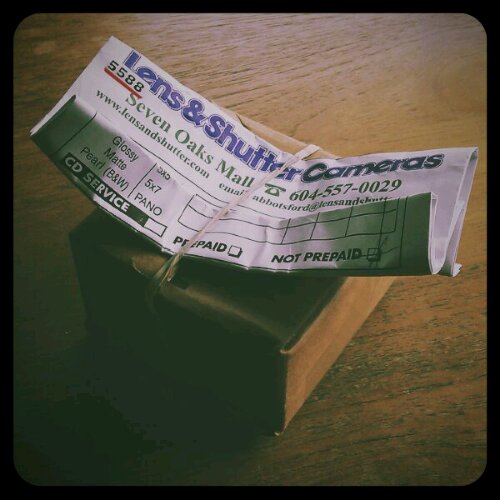
You never really know what’s inside. Just to re-enforce this notion Lens and Shutter has returned my processed film to me in this nice little hand made gift box. I can’t wait to open it.
2 comments | posted in Photography, Processing
Mar
26
2012
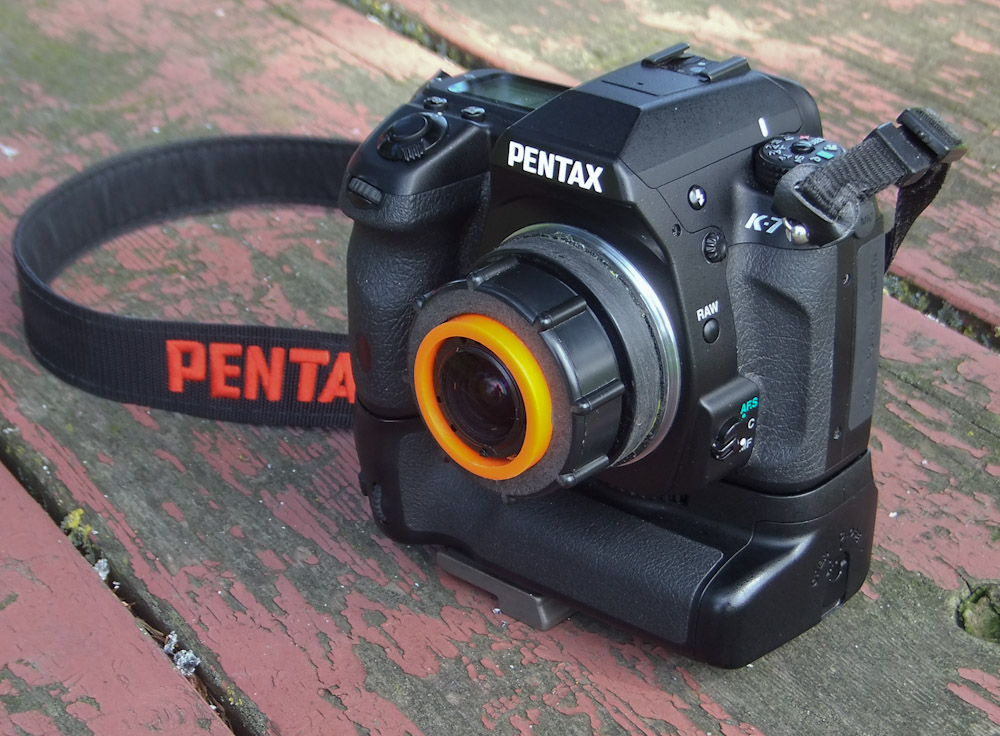
So after creating the worlds thinnest pancake lens I thought I would try my hand at making a wide-angle lens. The first thing I should mention is that the image quality is on par with the cost and I think I spent about $5 total making this lens. This is possible because a certain percentage of the cameras that I acquire are dysfunctional so they end up being disassembled for their bits. It’s those bits that I use to make other things such as this lens. I did need to buy a $2.69 piece of ABC plumbing in order to make the body of the lens.
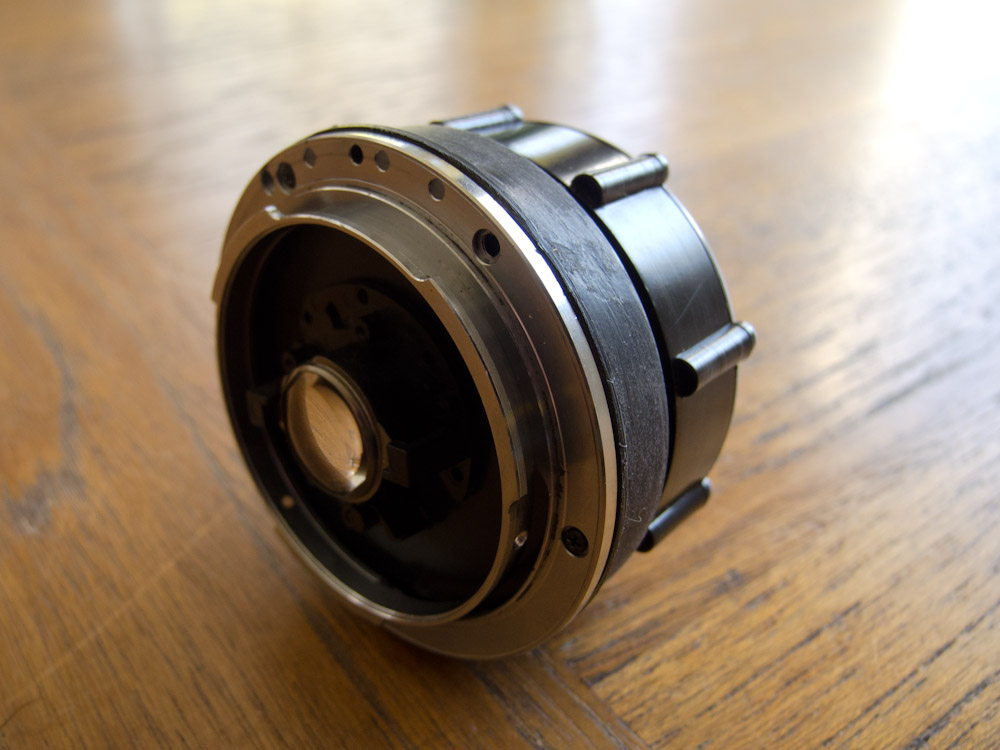
While I don’t know exactly where these lens elements came from, they are essentially the rear elements from two point and shoot cameras, one of them turned around to become the front group. Realistically your not going to be able to deal with most of the distortion when you do something like this so why fight it. This is the look of this lens take it or leave it. It turns out to be about a 15mm lens with horific yet wonderful barrel distortion. I haven’t determined the angle of view yet or the aperture which is always wide open in this version. Everything is rendered in a semi focused state no matter how near or far. Maybe there will be a Mark II version that performs a little better or maybe not as this is my digital Holga.
3 comments | tags: camera, DIY, lens, Pentax, wideangle | posted in Cameras, Photography
Mar
24
2012
 Who wants to be in front of a Computer monitor on a nice spring day? Not I said I, so I’m posting this from the field
1 comment | tags: film, Photography, polaroid | posted in Photography, Processing


