Aug
24
2013

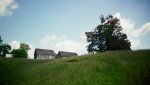
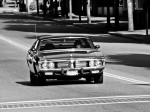
Simple is the word I would use to describe the Chinon CM-4s but in no way do I mean that as a (warning bad photography puns) negative rather it’s quite the positive. The shutter and aperture are completely mechanical and require the photographer to set them. The exposure meter display consists of three LEDs red ones for over and under exposure and one green one for correct exposure. What could be simpler this side of automatic exposure? In operation you can choose a shutter speed or an aperture and vary the other one to get the correct exposure, that’s when the green light comes on, or you can disregard the exposure as you like.
In addition I took many of the pictures on this roll using a simple flash, the Pentax AF160 for fill light. Some results where better than others. With this and other simple auto flashes you set them for a certain auto range and look on the chart to see what aperture you should use for the film speed. If you want to balance the flash to ambient light you can select a shutter speed anywhere from the minimum up to the cameras flash sync speed which is 1/60 sec for the Chinon.
The CM-4s uses the same K-mount as manual focus Pentax SLRs and mine has the Chinon 50mm f1.9 lens on it. The camera operates much like a Pentax K1000 while being smaller and lighter like a Pentax ME.
Here it comes I’m about to tell you how good a performer it is and how much I liked its light weight, …done. Yes I have met a camera I didn’t like its just not this one.
3 comments | tags: camera, Chinon, film photography | posted in Cameras, Photography
Aug
17
2013

If it’s that 1980’s vibe your after this camera will match your feathered hair nicely just don’t get it caught between the sides of your water-bed. The Ricoh 35 EFS is very simple to operate. All exposure is automatic, the flash is turned on by you and you focus be selecting a little icon on the lens barrel. I mean how well do you want the camera focused on that mix tape in your hand anyway. So yes it’s built to look like a rangefinder of the 1970’s but it’s all plastic like the 80’s and is on the large side just like your shoulder pads. The lens is a 40mm f2.8 with 3 groups and 4 elements. Seriously though this is like totally the camera I would take in a Delorean at 88 miles an hour.
6 comments | tags: film, Photography, Ricoh | posted in Cameras, Photography
Aug
15
2013
A small fun colourful camera that shoots 16×9 pictures and verges on being miniature. That pretty much sums it up in one sentence.
The next sentence of course should be it uses APS film which hasn’t been produced for several years.
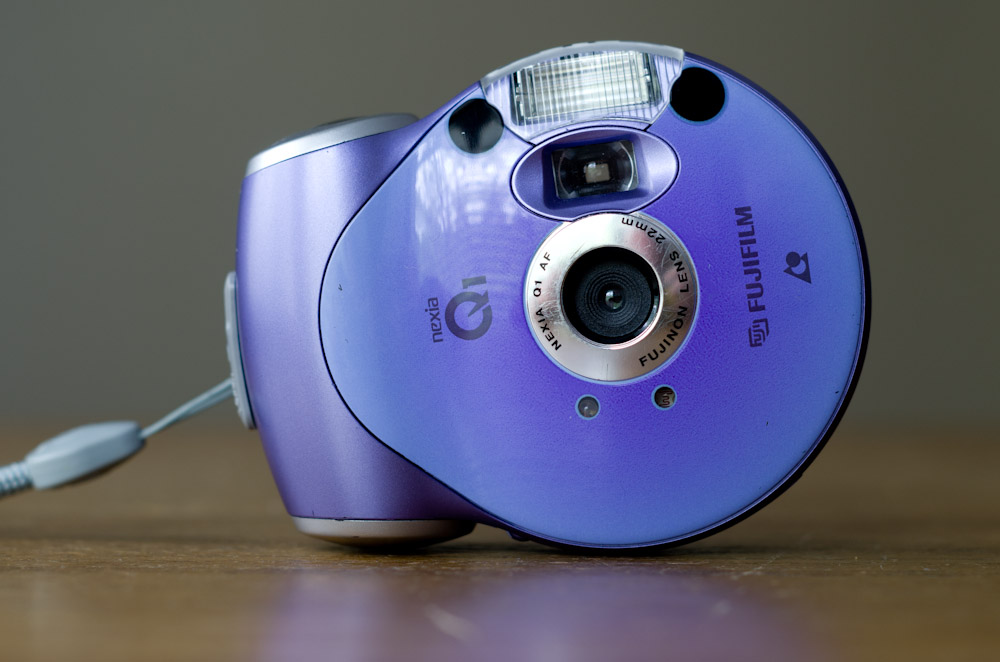
More about this camera Fuji Nexia Q1
2 comments | tags: APS, film, Fuji | posted in Cameras, Photography
Aug
12
2013
The oops comes from the fact that I tried the Pentax DFA100 macro WR lens with the Pentax Super Program, these pictures are not from that lens. 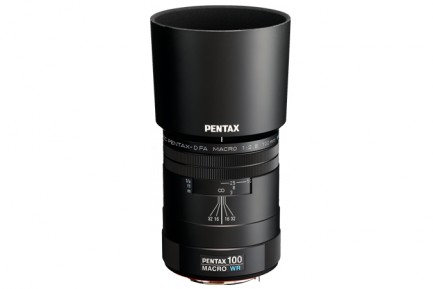
The smc PENTAX D FA 100mm F2.8 WR Macro doesn’t have an aperture ring but relies on the camera body to adjust the aperture. That is not a problem when using it with a DSLR or even a more modern film camera. The Super Program though is not one of these it indicates a particular aperture in the viewfinder but that doesn’t correspond with the lens setting. This fact makes this type of lens/camera combination incompatible. The images I took are terribly due to underexposure, it seems that the lens was completely stopped down as far as possible f32. It does work very well with my Pentax PZ1p though.
2 comments | tags: film, lens, Pentax | posted in Cameras, Photography, Uncategorized
Aug
7
2013
I created this fun little 12″ x 12″ sketch in oil for the Reach Gallery’s After Dark and 5th anniversary celebration. The painting will be in the silent auction. And yes that’s intended to be raspberry jam, it is Abbotsford after all.

1 comment | tags: oil, Painting, sketch | posted in Painting
Aug
5
2013

The Yashica T3 is one of those cameras that you tend to keep coming back to using because of the lens. I haven’t been able to definitely pinpoint what sets the look of the images from this camera apart but I know I like the results. It’s not always easy to convey that through small web images and these look a little soft as I post them but the originals are not.
no comments | tags: camera, film, Photography, Yashica | posted in Cameras, Photography
Aug
3
2013


I absolutely love the industrial design of this camera, all the little touches that add up to a suburb whole. The knurled knobs and engraved script say this is a precision analog device. It has a faster than average f2.0 Xenon lens that like the rest of the camera is made in Germany. Away from the center it gives distinctive out of focus highlights that are shaped more like a football than a circle.

Unfortunately the viewfinder is small and the rangefinder patch is dim making composing and focusing less than ideal. In some cases it was easier to set the focus via the distance scale on the front of the lens rather than by using the rangefinder. The result was quite a few missed focus shots, but as is my usual refrain you get images with a certain look from it.
no comments | posted in Cameras, Photography
Jul
31
2013
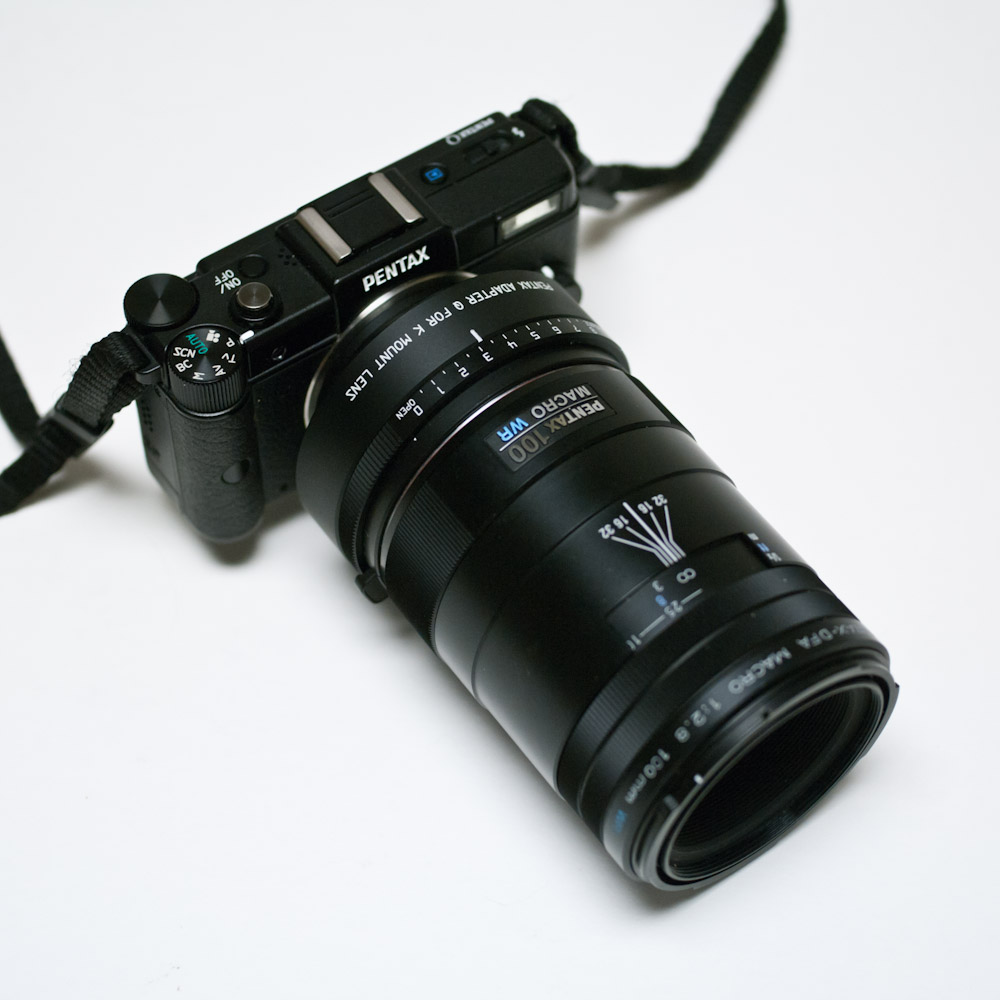
As a child with a hammer sees everything as a potential nail a Wallace with a telephoto lens sees everything…. I think you get where I’m going with this. My first adapter unfortunately failed after only a couple of hours of use but Pentax replaced it under warranty and my second one has been working without any problems. I’ve been using it with several different lenses but the one with the biggest impact has to be the DFA100 2.8 WR macro. On the Q with its 5.5x crop factor that makes it a whopping 550mm f2.8 equivelent macro lens. It’s certainly not a combination that you just pick up and start snapping away with. I’m still determining what works and what doesn’t, primarily it’s the fact that the Q isn’t a great high ISO performer and it’s quite difficult to focus a 550mm lens manually. All the shots so far have been hand-held and I’ve found that there is a real tug of war between setting a higher ISO and having a high enough shutter speed. Now that I’ve determined that there are limits I need to quantify them with a bit more rigor.
The other two lenses that I’ve been using are a 28mm f2.0 Vivitar and various Pentax 50mm lenses. These two give effective focal lengths of 154mm and 275mm respectively.
3 comments | tags: Digital, Pentax, telephoto | posted in Photography