Feb
26
2012
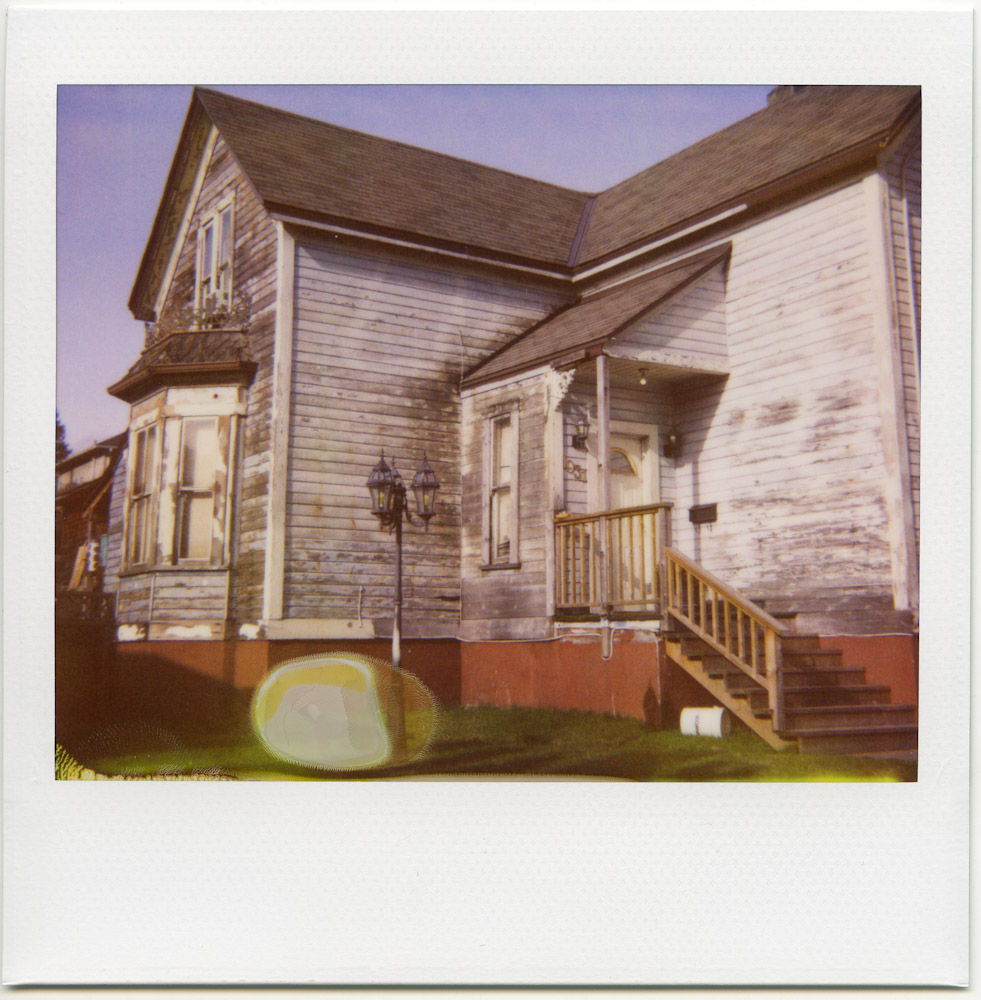
Sometimes things don’t go exactly right with Polaroids and the chemicals that develop the image either dry up or aren’t spread correctly and the result can be some interesting stuff as seen in this detail. Benoit Bandelbrot would be pleased I think.

2 comments | tags: film, polaroid | posted in Cameras, Photography, Processing
Feb
24
2012
As I’ve posted before I like the Leica Mini finding it does a great job as a point and shoot. I unfortunately used some pretty poor film in it this last time and didn’t really end up with too many keepers. These four shots are my favorites and stand out from the rest mostly because they turned out. Note to self outdated Kodak 400 is to be avoided.
3 comments | tags: film, Leica, Photography | posted in Cameras, Photography, Processing
Feb
22
2012

While scanning some old negatives I came across a fragment of a contact print I would have done as a teenager. When I was in my late teens I converted my parents camper into a dark room. It took quite a bit of effort to get it dark enough that I could do colour prints from slides. Without running water I used a large 5 gallon jug with a spout as my water source. I also repourposed a heater from an aquarium to keep a constant temperature for my liquids and measured the temperature with a thermometer for wine making. Looking back it was a lot of effort but also a wonderful experience. I printed both black and white and later the more demanding colour Type R process. Type R was a way of printing directly from a positive slide to a positive print without the need for an inter-negative. I loved the black borders this gave my images. These papers are no longer made so this process is no longer possible, but printing from a scanned slide now produces equally as good results with a lot less effort.

You can see on the right side of this 8×10″ Type R print the two holes from the clip I used to hang it to dry.
no comments | tags: film, printing | posted in Photography, Processing
Feb
20
2012
Here are some more images that I processed in camera with my Pentax K-7. Yes I am well aware that you can do all of this on a computer but no one says that when you use your smart phone to do a similar thing.
no comments | tags: filters, K-7, Pentax, Photography | posted in Photography, Processing
Feb
17
2012
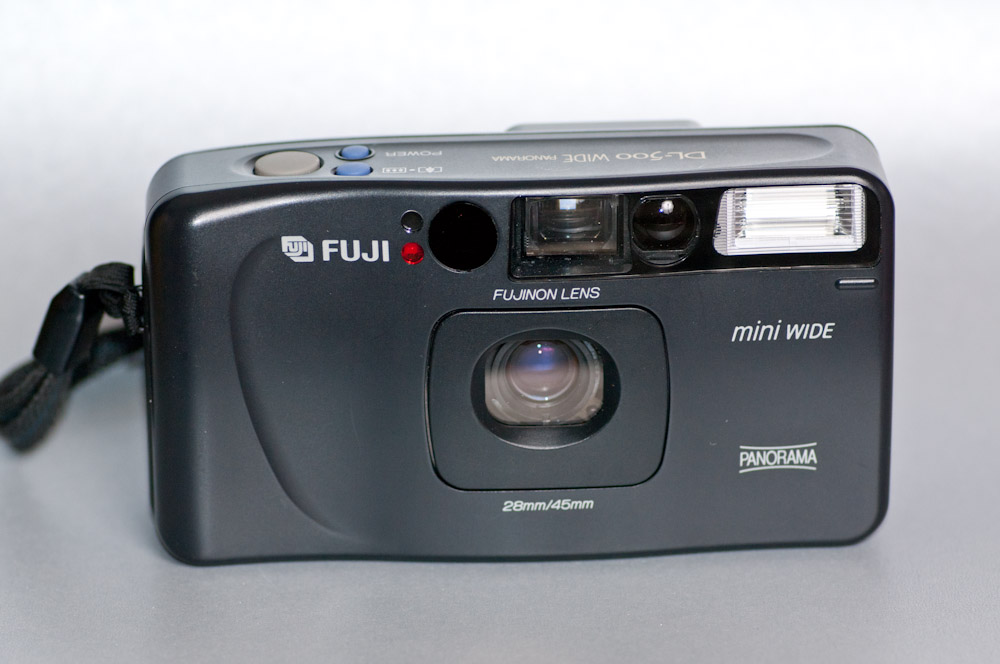
There’s so much silk screening on this camera I can hardly determine what to call it. “Fuji DL-500 WIDE Panorama” “Fuji mini wide” It is however the DL-500. The most unique feature of this camera is that it has two focal lengths 28mm and 45mm, not something in between. This arrangement is made by swinging an additional lens element internally into the light path and repositioning the lens at the same time. A button on the top of the camera toggles between the two focal lengths. Additionally the viewfinder magnification changes to give an equivalent view for the selected focal length.
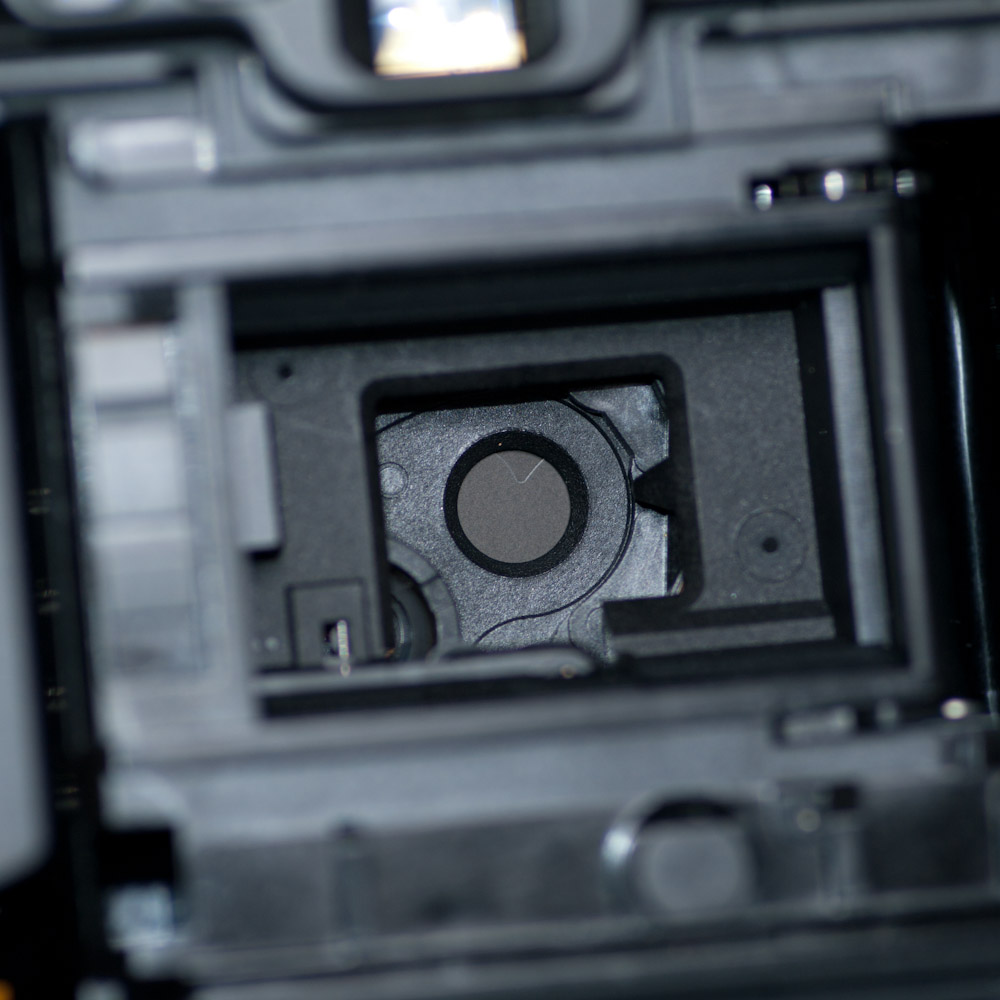
With the camera set to 28mm the secondary lens element can be seen hidden away in the bottom left corner just beneath the shutter.
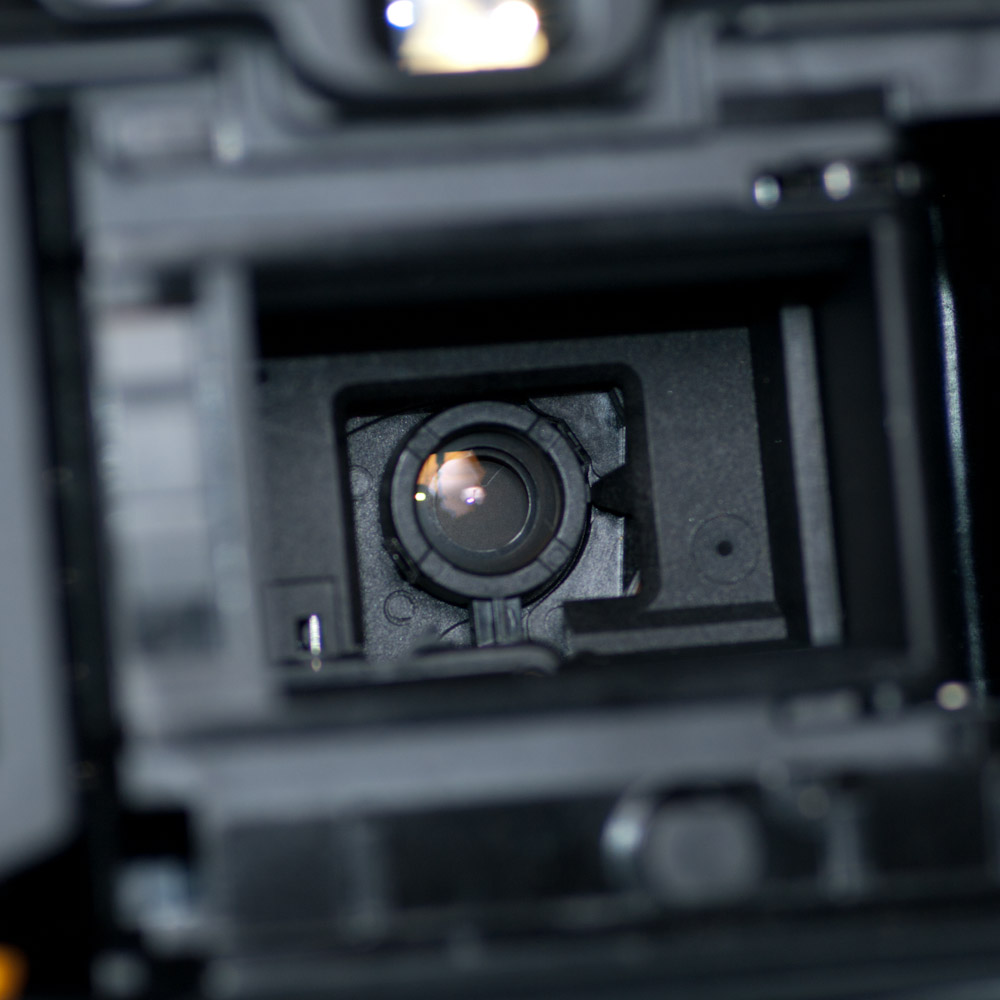 Here you can see the camera now set to 45mm with the additional lens element swung into place.
Samples of the two focal lengths.
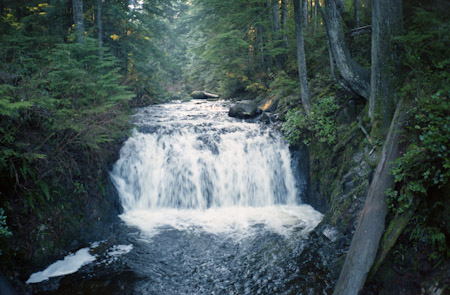


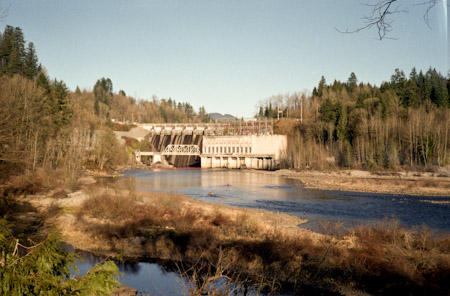
I was initially pretty excited by the prospect of this camera because of the wide 28mm focal length, there are very few 35mm film point and shoots that have lenses this wide. But the image quality of the lens in either focal length is not particularly good. The images are quite soft and there is a great amount of vignetting especially with the 28mm setting. That said though it is compact, light weight and 28mm.
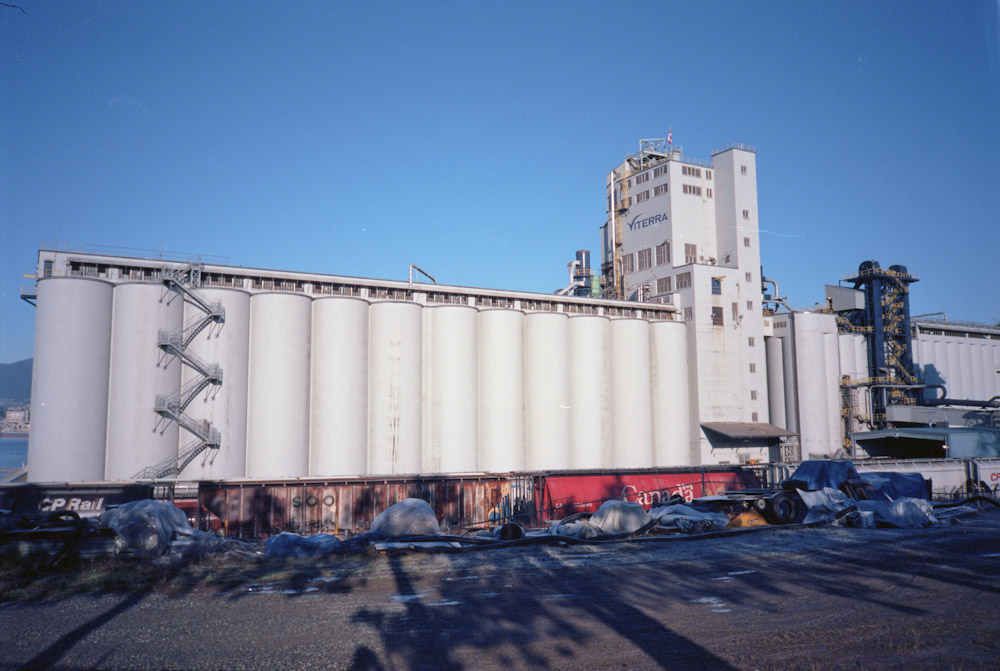
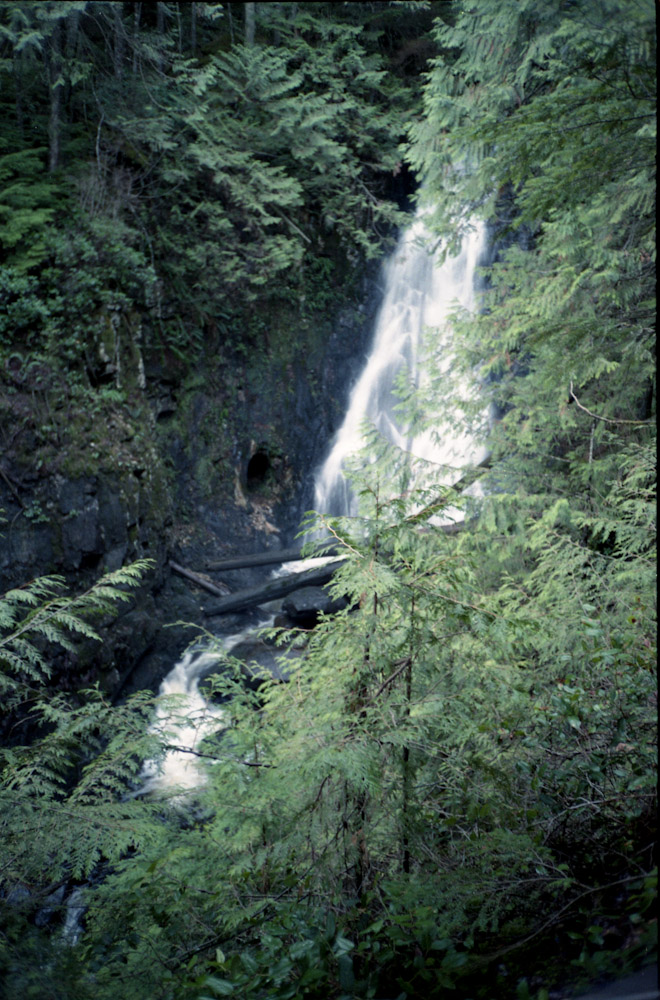
Two more quick notes about this camera. It requires two batteries to operate. A CR123A 3V lithium battery but also a CR2025 that is located inside the back of the camera. Both are required unlike some cameras that use the smaller battery just for date imprint functions. Also in order to set the mask for panorama images you need to open the back and make that change inside the camera, for obvious reasons you can only do this before you start shooting. I may give this camera another try in the future but if I do I will try closer distances and see if that makes a difference in the images, street photography perhaps.
3 comments | tags: camera, film, Fuji, Photography | posted in Cameras, Photography
Feb
14
2012

Polaroid and faux-laroid, posted from my Android phona…… Too much?
1 comment | tags: Photography, polaroid | posted in Photography, Processing
Feb
12
2012
This is some video I shot last weekend around Stave Lake BC with my DSLR. There’s no story it’s just a linear timeline of my day, I just shot some video in between the still shots.
Stave Lake from Wallace Ross on Vimeo.
no comments
Feb
10
2012
I’m sure there is a technical name for sulfur stock piled like this but to me it’s just a big pile of greenish yellow and I’m attracted to yellow like a bee to a flower. There are two locations in the Vancouver area where sulfur derived from the oil and gas industry in Alberta is hauled by rail. It’s then loaded onto ships headed for Asia to be used in industries there. These photographs were taken around Pacific Coast Terminals in Port Moody B.C. I could only photograph from the perimeter and even then mostly the view was obscured by trees and branches. It was only on my way back that the train that had been there was gone and a better view was available. I mostly used my FA 28-70 F4.0 lens because I could shoot through the fence with it’s smaller 49mm filter diameter.
1 comment | tags: Pentax, Photography, sulfur | posted in Photography
Feb
7
2012

I am currently scanning a collection of stereoscopic glass plates from the late 19th century,I feel very honoured to have access to these. They are an incredible view into the past, quite literally. I can’t help but thinking how many of the impressionist painters were still around and Post Impressionism was still developing. Once scanned I am using a passive viewer called a pokescope which I purchased from PokeScope® Stereoscopic Resources. I have also produced MPO files that are compatible with my HTC EVO 3D phone so that I can view the images in 3d without any additional aides. There is something special however when these plates are viewed directly as they were originally intended with an antique viewer.

In order to scan these plates I needed to make a holder for my Epson V700. I chose to use ABS plastic because sheets of it were readily available and I was able to use regular plumbing adhesive to construct it. Each plate is 44x107mm so I made the width of the opening 104mm leaving just 1.5mm on each side to support the plate.

The plates themselves appear to have been produced at the time with some form of reproduction. I know this because I found two identical plates. They come from a diversity of sources but appear to primarily be French in origin. Hopefully I will know a bit more by the end of the scanning process. I will likely write an update post at that time perhaps with a few more images.
no comments | tags: Glass plates | posted in Photography
Feb
5
2012
Having done so much cell phone photography ( “cellphography” it could catch on!) and processing those images on the phone I was inspired to play around a bit with some images I had captured with my Pentax K-7. All these images were processed and cropped in camera. It’s surprising what you can achieve by combining multiple effects together. Of course there is a limit and some of what could be good filters are held back because of the lack of user control. The water colour filter for instance produces one unconvincing result no matter what you try, the toy filter is on the right track but has no option to turn off the blurring of the image.
no comments | tags: filter, K-7, Pentax, Photography | posted in Photography, Processing


