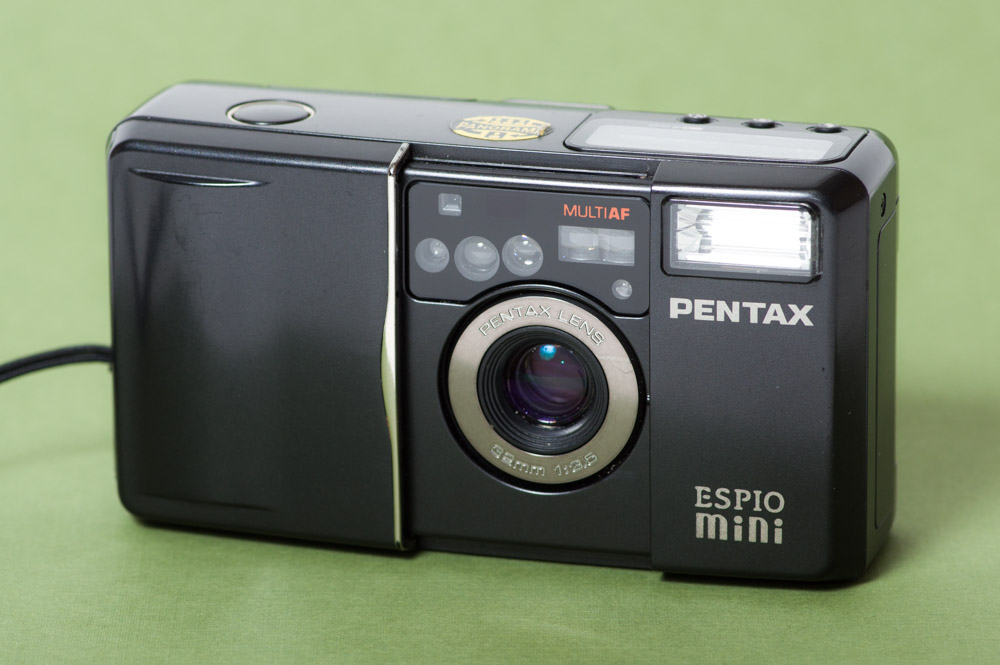
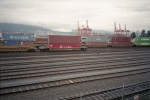
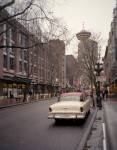
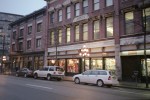
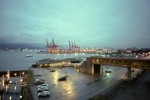
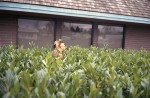
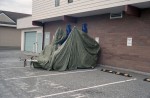
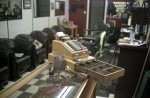
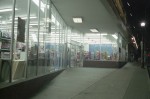
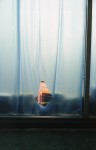
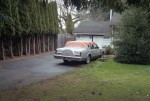
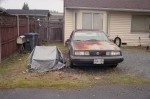
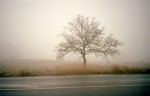
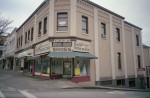
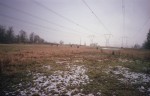
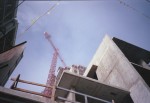
The Espio mini is such a fun little camera. It may not have as fast a lens as the Olympus Stylus Epic with its f2.8 but the Pentax is 32mm rather than 35mm which makes enough of a difference to be noticeable. It’s a nice compromise between a 28mm and a 35mm lens. Previously I wrote about how my UC-1 had failed but since then I have found a replacement and am very pleased with it. Being a clam shell design it’s easy to carry around and open up when needed and is small enough to slip into a coat pocket.
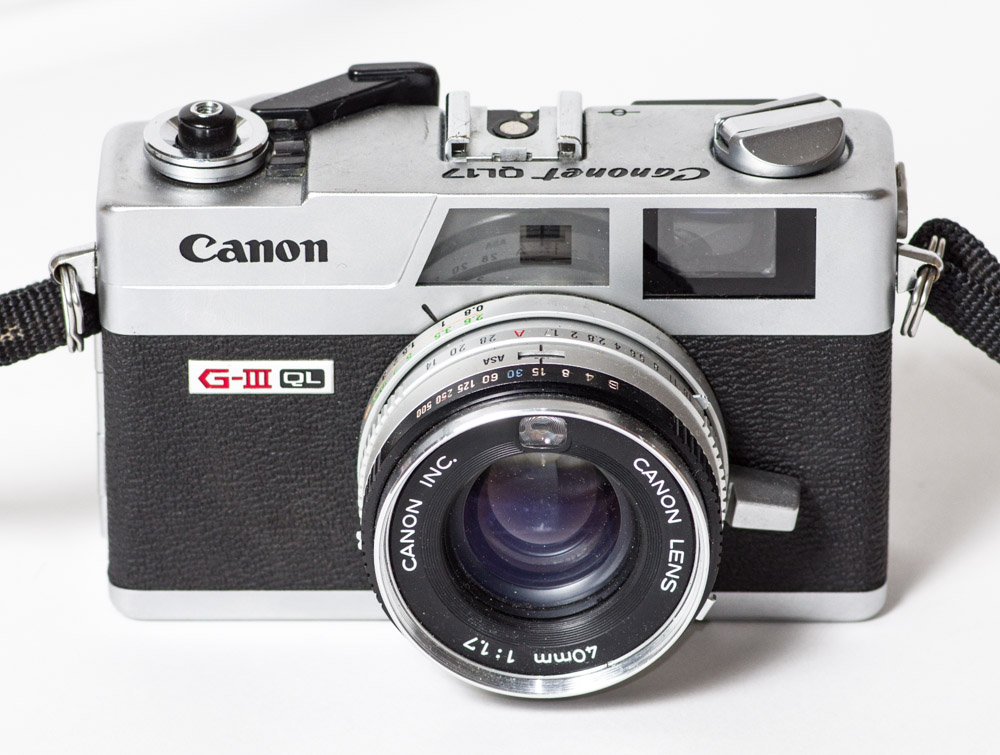
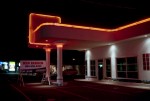
A great thing about this little rangefinder is that it can be used completely manually, neither aperture or shutter need a battery to operate. I shot this entire roll without bothering to put a battery in it. This makes it easy to do creative metering that otherwise would cause a problem. For example I set a relatively fast shutter speed to capture the building with the neon where the exposure metering system of this or many other cameras would have caused over exposure in an attempt to expose all the darkness as if it were 18% grey. This is a great fixed lens camera and its ‘cult’ status is well-earned. The 40mm f1.7 6 element lens is a fantastic performer with very nice soft rendering of the out of focus areas.
I did a test of the Interval Movie mode of the Pentax K-3. This is where you set the camera to record for a set period of time taking pictures at intervals you also set and then it automatically builds them into a movie file. In this case I set it to record in full HD, even though 4K is an option but I don’t actually have anything to view a 4K file on and I’m not sure if my current software can handle them. It was an interesting test and I learned a few things I will share.
1.One image every 30 seconds is unnecessarily often for flowers. (the video is sped up) maybe 1 every 2 minutes would have worked here even 1 every 5min for a longer period.
2. Even though most of the light was from the fluorescent lights in the room there was a lot of variation from the light coming from a small window.
3. A fully charged battery with the 3 second review set can run the set up for about 5 hours. (Next time I will turn the rear display completely off)
4. If you don’t want the flowers to open up before you even begin don’t bring them into a warm house.
5. While the top LCD provides some basic shooting parameters and battery level a count down timer or frame counter would be a great addition if possible.
I look forward to trying this again its a very different process than taking a single still image but it is made very easy by the Pentax K-3. And if you’re wondering I put the music together using Sony Acid Express.
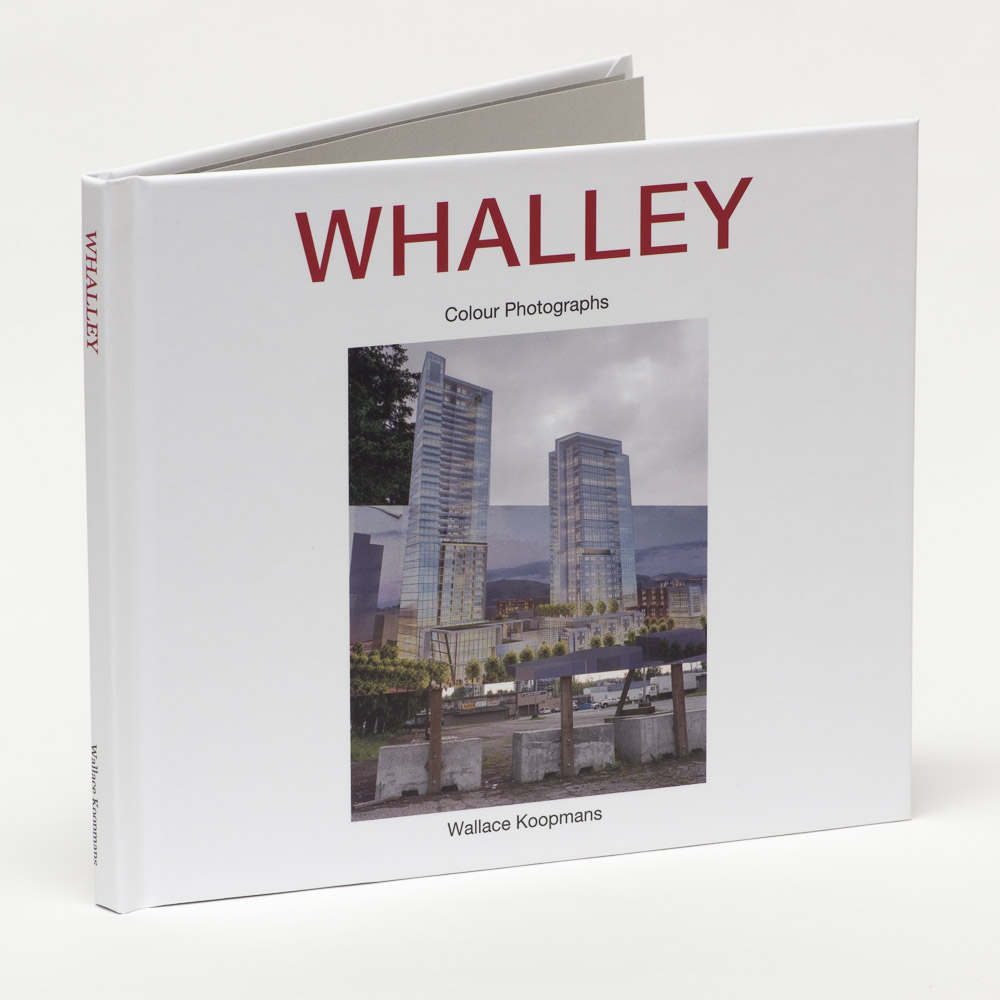
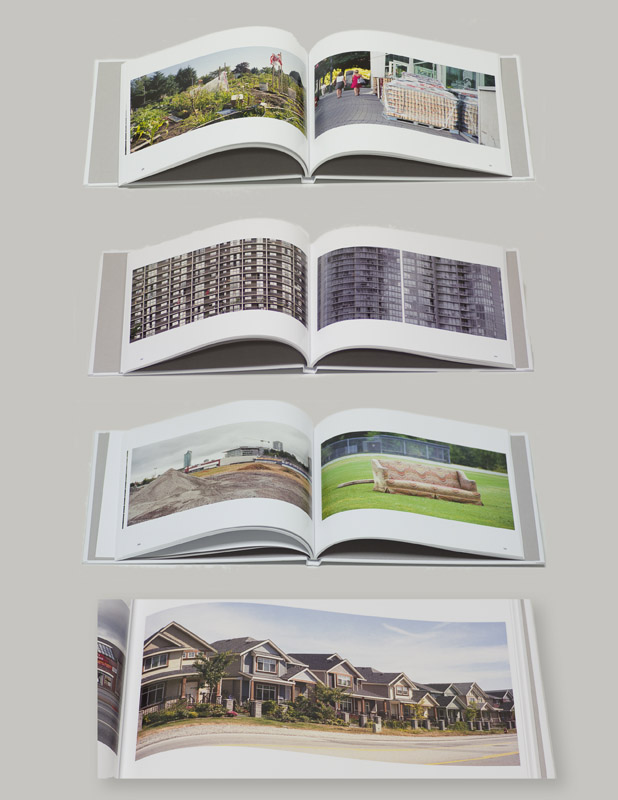
I reached a point in my photographic series ‘Whalley’ that I felt warranted collecting into this book ‘Whalley – colour photographs’ . I took most of the 80 images included in the book over several weeks in the summer of 2013. The pictures were created using various cameras but all have that they were shot on colour film in common. Even though I limited myself to the neighbourhood of Whalley, in the larger City of Surrey BC, for this series the images themselves speak to the larger issue of change and location. It just happens that Whalley is undergoing the most concentrated transformation. Collectively the images provide a snapshot of the area at this liminal moment. It’s as if the neighbourhood is being willed into some new modern reality, even its name is being obscured by the usage of ‘City Center’ rather than the name ‘Whalley’. A name which carries many non positive connotations in the public perception. I know for me the name doesn’t conjur images of small homes overlooking the Fraser River, even though that exists too. My immediate reaction is to recall all the news stories of crime and drugs that I’ve heard repeatedly over many years. As the visual recorder of this location I try not to impart too much of my personal biases into the work but in reality that is an impossibility. The fact of my presence here already alludes to that. The mostly de-peopled pictures included in the book provide a certain distance between the viewer and the scenes much as if they were to walk around Whalley casting their gaze but never getting too close.
I picked up a few medium format slides made by an anonymous photographer (Well they knew who they were but I don’t). They were in a box at an antique store and in fact had been there since my previous visit a year prior The Fate of Photos. This time looking through them I recognized that some were of the Vancouver area and had been marked as being from 1971. I talked to the proprietor and we struck a deal. Once home I scanned them and began looking to see where the pictures had been taken with the intent of finding the same vantage point and re-photographing the scene 43 years later. There are many interesting images in this vein that can be seen at Changing Vancouver and the concept is also used though differently by Dear Photograph.
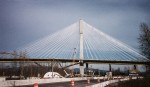
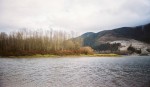
The fact that it was a scene that included the Iron workers memorial bridge made it quite easy to find the location. What was most surprising thought was how little the overall scene had changed. Sure trees have grown and obscured the view but I really expected there to be houses and development and maybe an upgraded hydro electric tower after 43 years. The reality though was that it had changed far less than most urban places I’m aware of in that period of time.
As a final image here is the scene in 2014 taken with a camera built before 1971 it’s not a very good camera but that is an entirely different post.
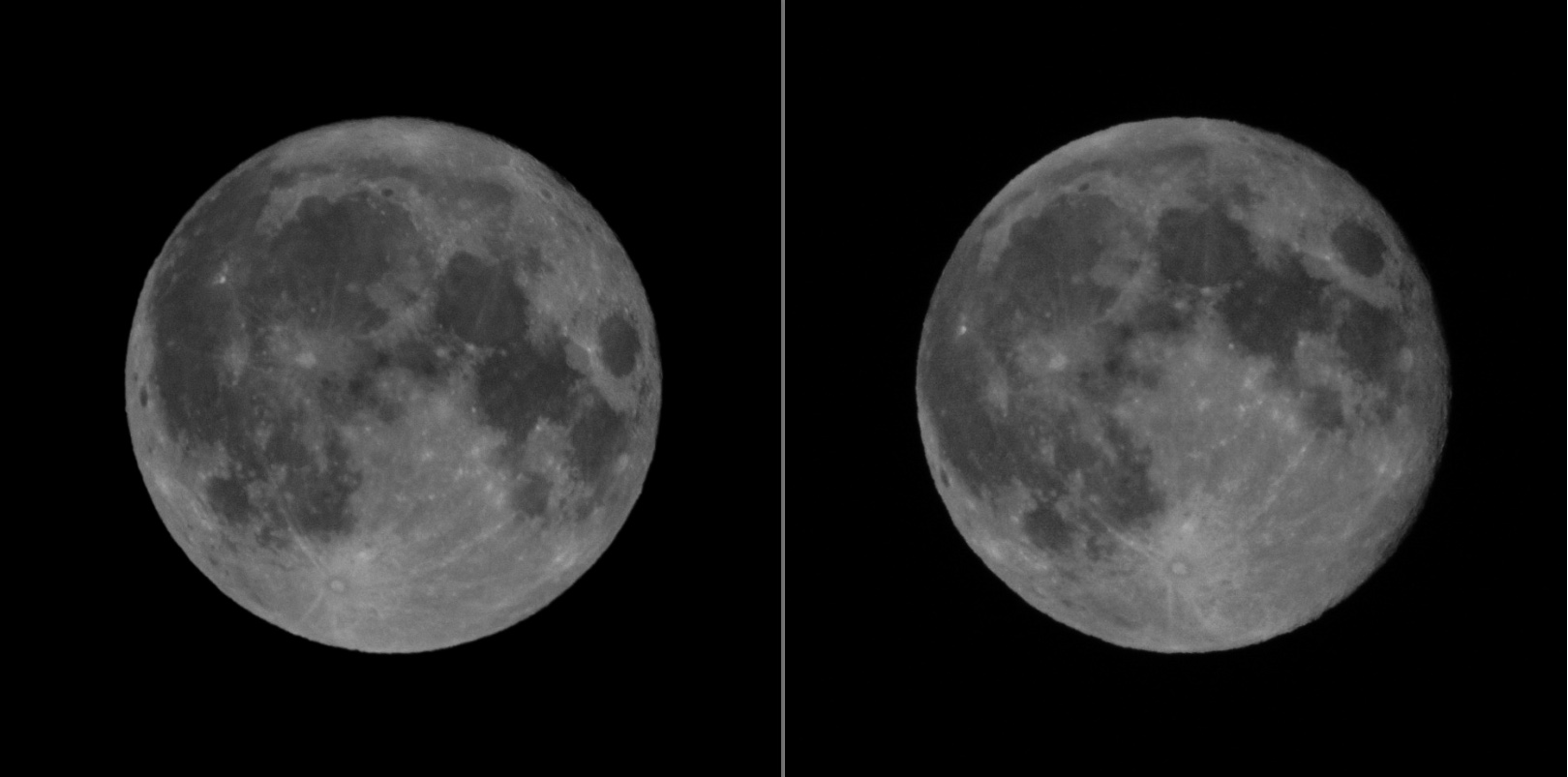
I was looking for a picture in my Lightroom gallery when I came across an image of the moon I had taken late last year with the Pentax Q a lens adapter and what must have been a fairly long lens, the particulars of which I don’t recall. Having also just recently taken a picture of the moon with my K-3 and new DA55-300 ED WR lens I thought it would be interesting to compare them seeing as one is a tiny little camera with a tiny little sensor and the other is a large DSLR with a sensor many times larger.
To make this comparison as ridiculous as it sounds I also cropped and displayed the images so they are the same size and this is the result.
Proving the point that no one cares about the size of your camera in space.
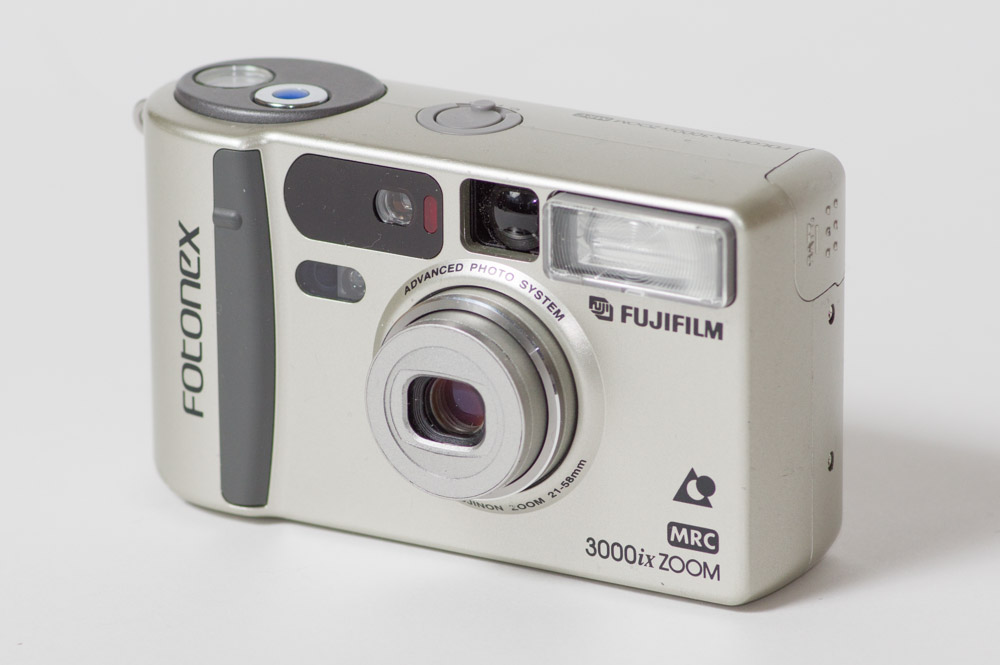
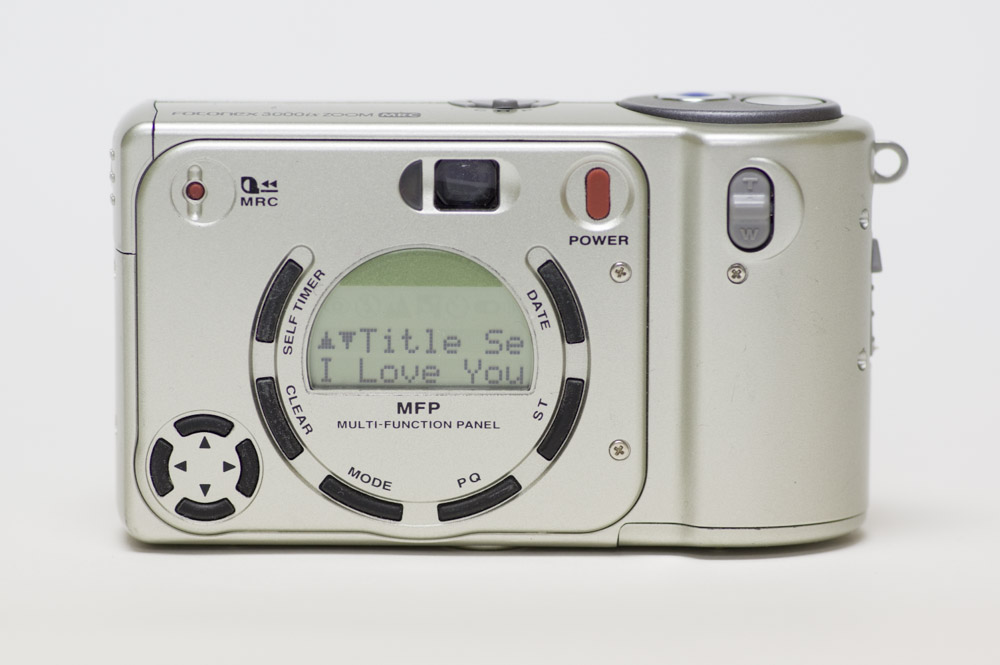
This camera seems to be identical to the Fuji ‘Cardman’ 3500 with the key difference that the control panel is permanently screwed to the back. Otherwise the controls and the lens are the same. While the round Monochrome LCD and all those buttons look impressive it really has the same basic controls as most cameras of the time including the Canon Elph or the Pentax Efina T. It does have a wider angle zoom at 21mm than most though and that is particularly nice with the 16×9 aspect ratio. The camera seems to have a propensity to use flash all the time so I did need to turn it off each time I fired up the camera. Another oddity is that when it focuses it changes the framing in the viewfinder considerably. This has the effect that after carefully composing a shot it completely changes in the viewfinder at the time you capture it, I’m not sure what is actually captured the before or the after.
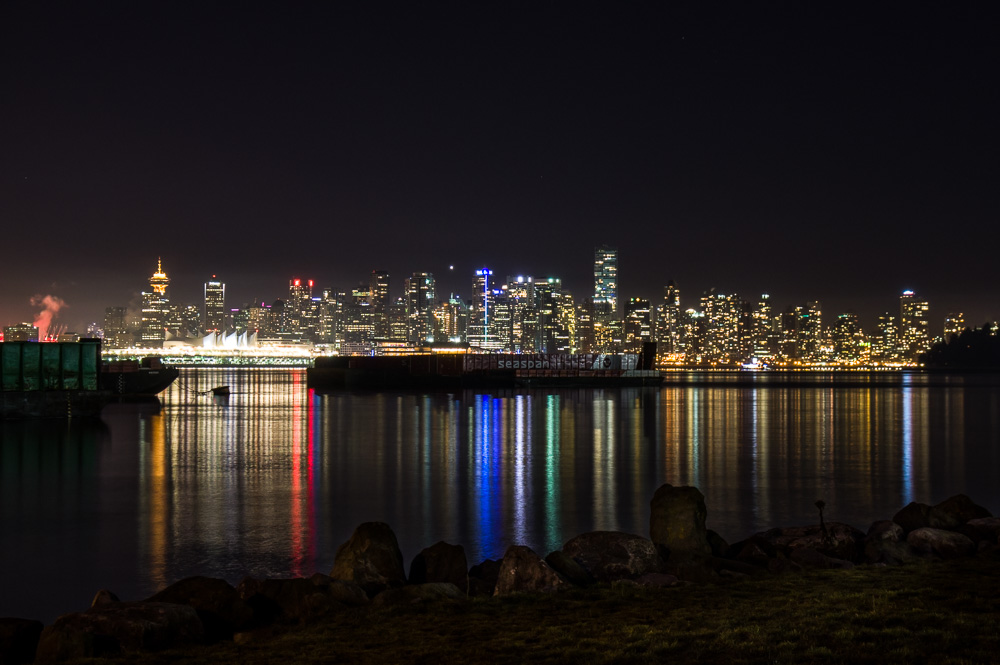
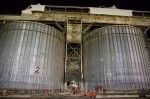
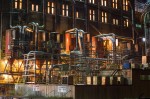
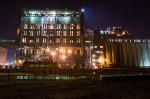
I like to take advantage of opportunities to photograph when presented with them. I had reason to be in North Vancouver recently and having wanted to get some pictures of the bulk and coal terminal there I packed appropriately (I brought a tripod and my Pentax K-3). I also took pictures here with some Cinestill film but I haven’t finished the roll yet so there may be so overlap in pictures when that is developed. I like the complexity of industrial scenes and the fact that they are nocturnal makes it all the more interesting as if things are lit not for the benefit of those there but to add drama and simplify the scene. My original idea was to bring back some imagery as source material for painting but at this point I just like these as photographs.
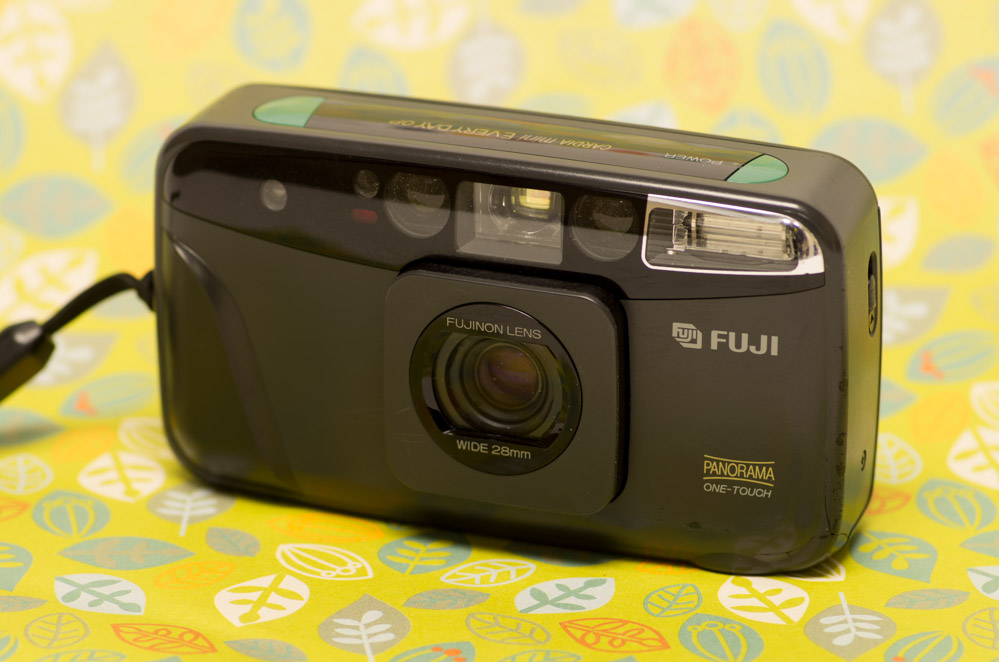
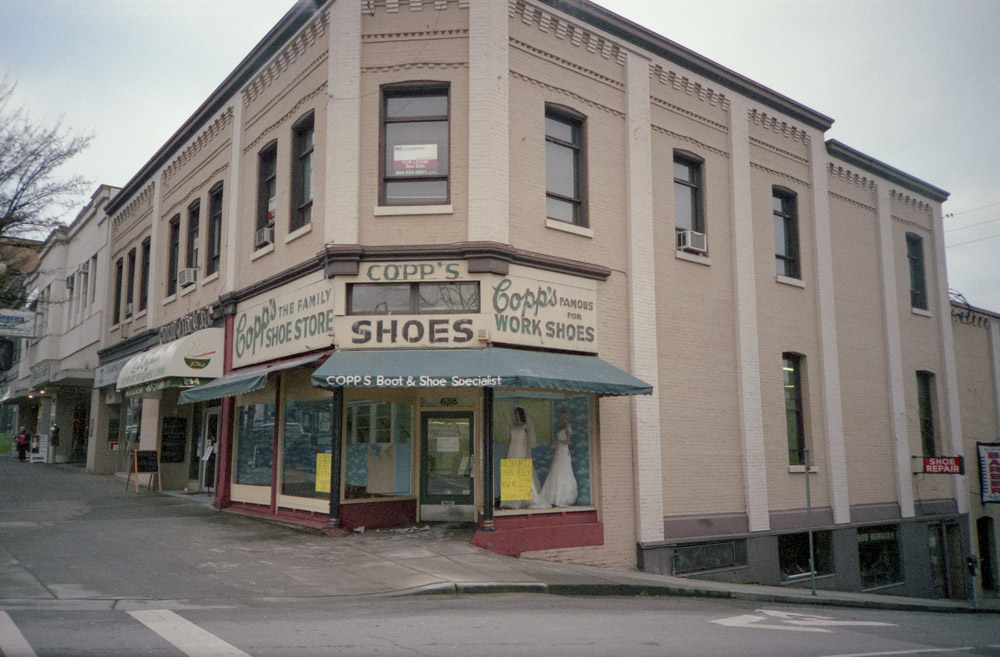
I lost this camera Fuji Cardia Everyday about a year ago or more precisely I misplaced it really well. It was returned to me by a co-worker who found it in another co-workers vehicle where it had likely been since that terrible day (It was terrible because I it had exposures remaining). But by now I had completely forgotten what was on the roll so there was bound to be extra surprise beyond the usual when I got the processed film back. And there nestled mid way in the roll were two images of Copps shoe store just after it had closed and was being turned into a wedding store.
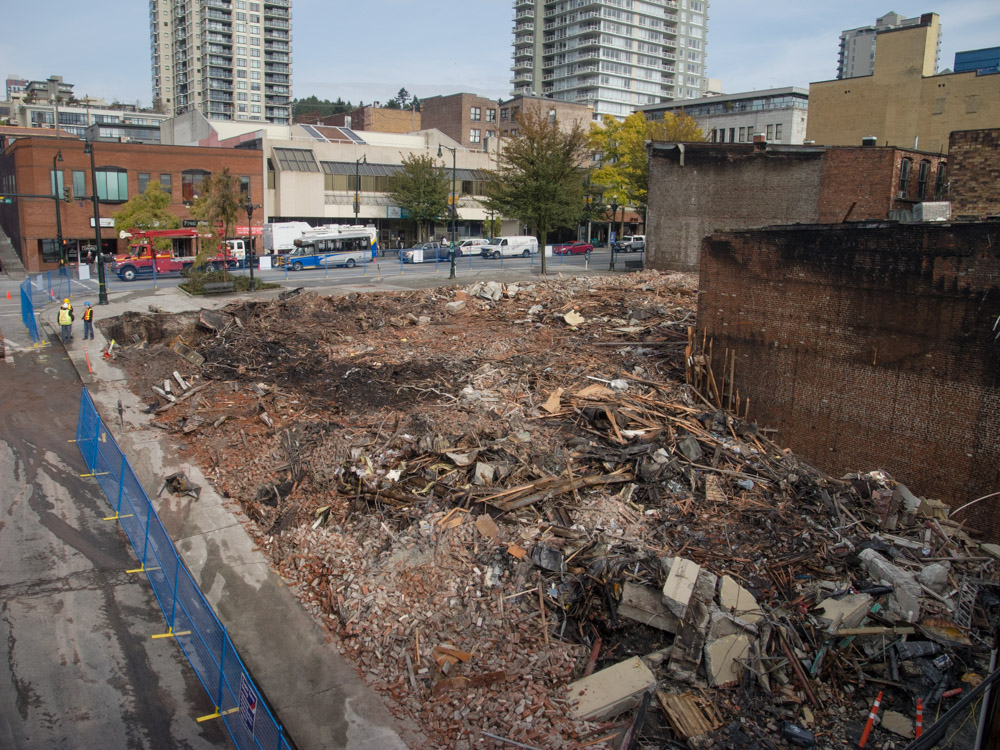
Sadly since the time of those pictures that entire building and more has burned to the ground.
Now all photographs work as a time capsule capturing a moment that is never repeated but having these come to me after being lost really brought that concept home.